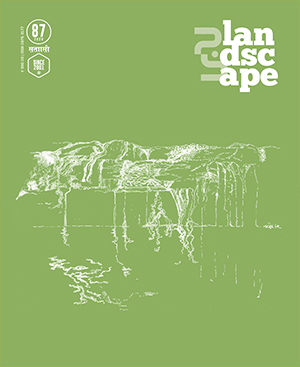
BOUNDARIES AS LIVING SYSTEMS
Sonali Dahotre
LA87 |
|
| Humble in scale, yet significant in function, hedges are an important part of human perceptions of enclosure, privacy, and demarcating boundaries. Living Fence, by Sonali Dahotre, landscape architect, introduces and brings to the forefront one of the most overlooked typologies in a new light. It envisions the hedge as a living fence while broadening its role for broader environmental and design relevance. It contests the idea of rigid, opaque barriers in landscapes and calls for a new way of looking at them as living networks of coexistence and connectivity. |
|
Fences are generally perceived as utilitarian elements that demarcate boundaries. What inspired you to take the “living fence” as the central protagonist of this work, and what larger ecological or cultural narratives does it help reveal? What gap in our understanding of landscapes were you hoping to address?
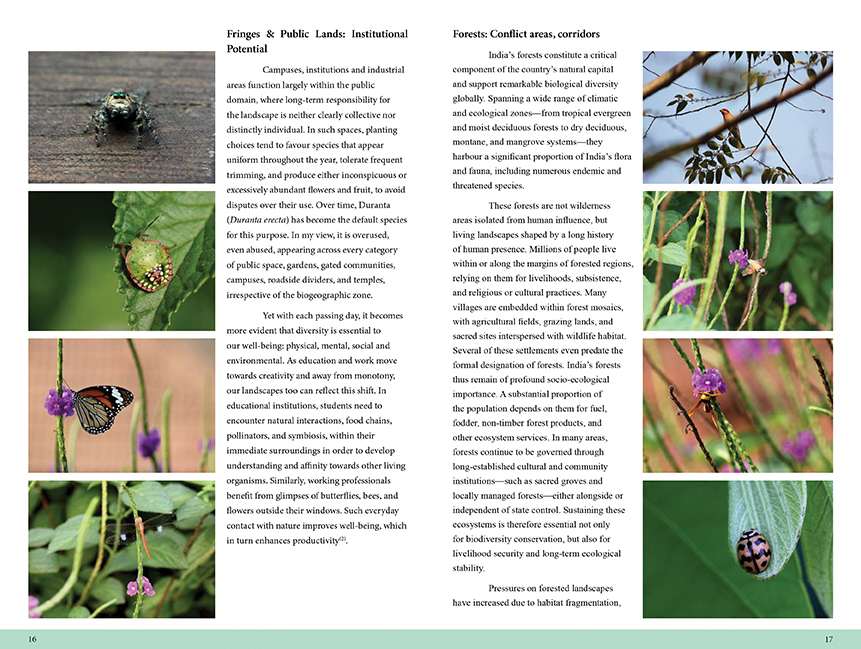
I have grown up in Pune, where hedges/live fences were very commonly seen. Even today, a few areas still have them, either on their own or along a barbed wire/ chain-link fence. As a child, I found it difficult to cross over or crawl under these live fences without getting scraped and nicked. So, I knew they were effective as security barriers. At the same time, I had seen caterpillars on them and smaller birds going about their business around them. Much later, I understood that the fences were also supporting biodiversity. They were simply a way of life… something that did not warrant a second thought.
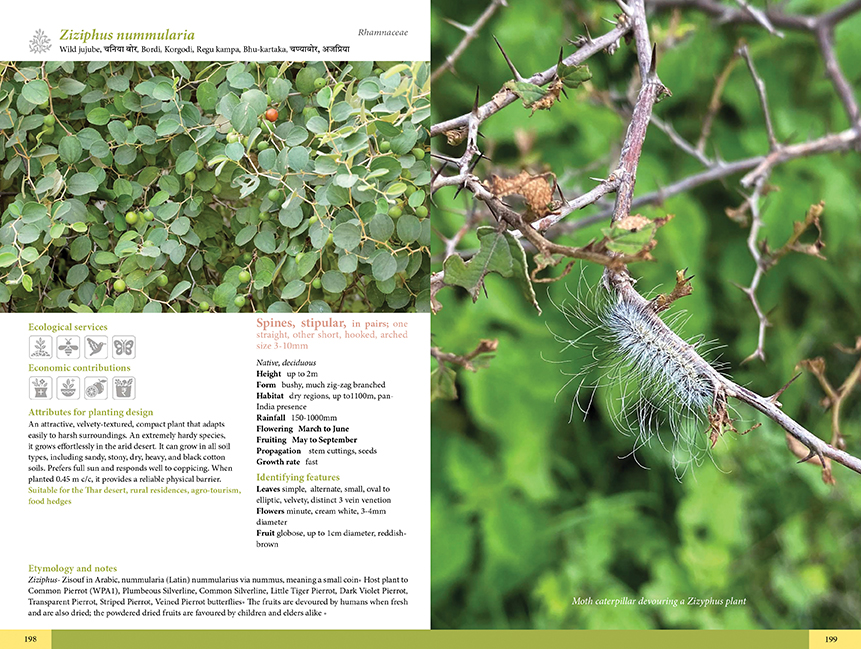
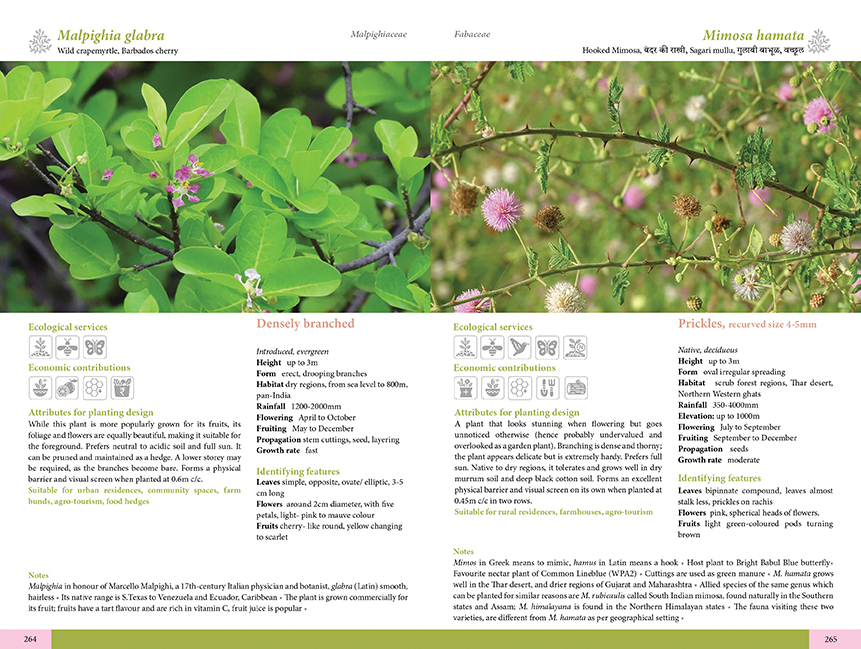
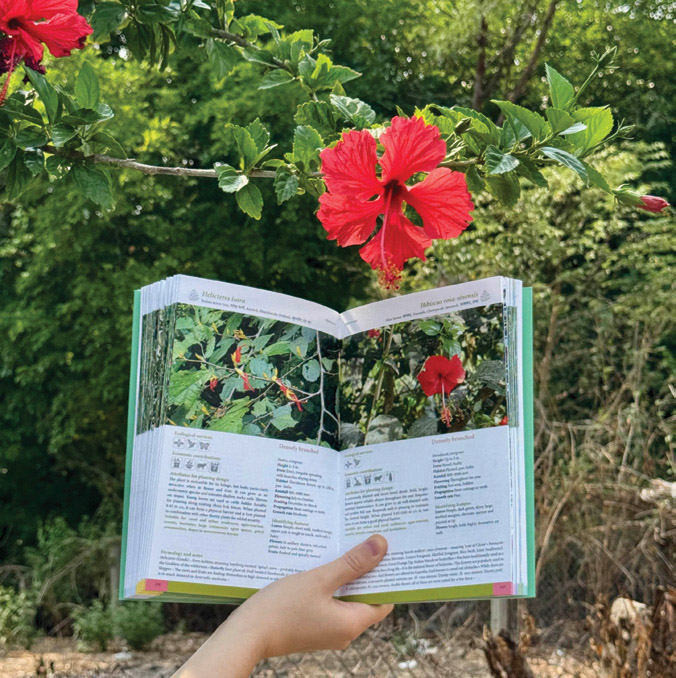
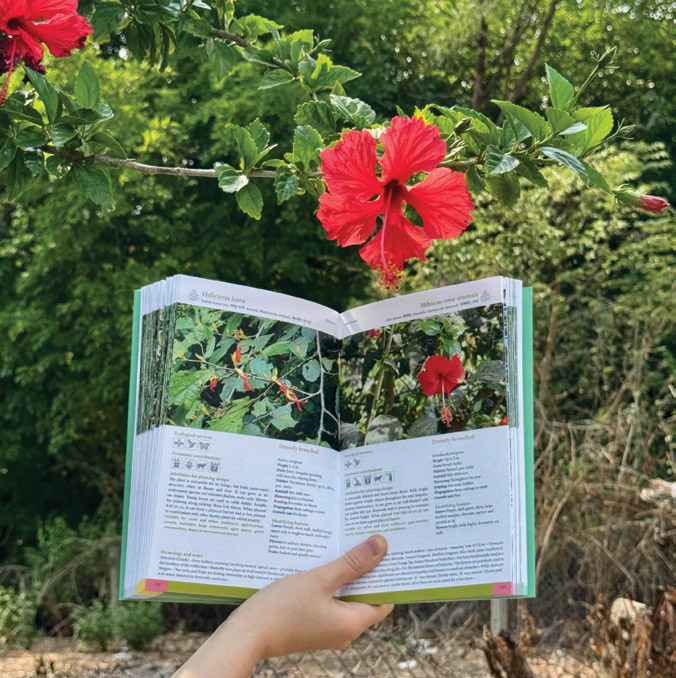
I actually started noticing and missing these live fences when I started practising landscape architecture. Most of my work has been in the Western Ghats, and while working there, I realised that building a compound wall cuts off the site from the larger landscape. It alters not only the ecology by changing water movement, slopes, and forcing animals to change their movement corridors, but also changes the aesthetics of the land by introducing a hard, built edge into a natural setting. I know the value of these edges, and I started using live fencing in my projects. It functions not just as a barrier but also as a connector, a threshold, and a habitat. This documentation started from there, when I felt that more people who share a similar thought process could benefit from this work. The book is an attempt to re-examine an overlooked space that has tremendous potential for improving biodiversity. |

|
|

|
|
|
|
|