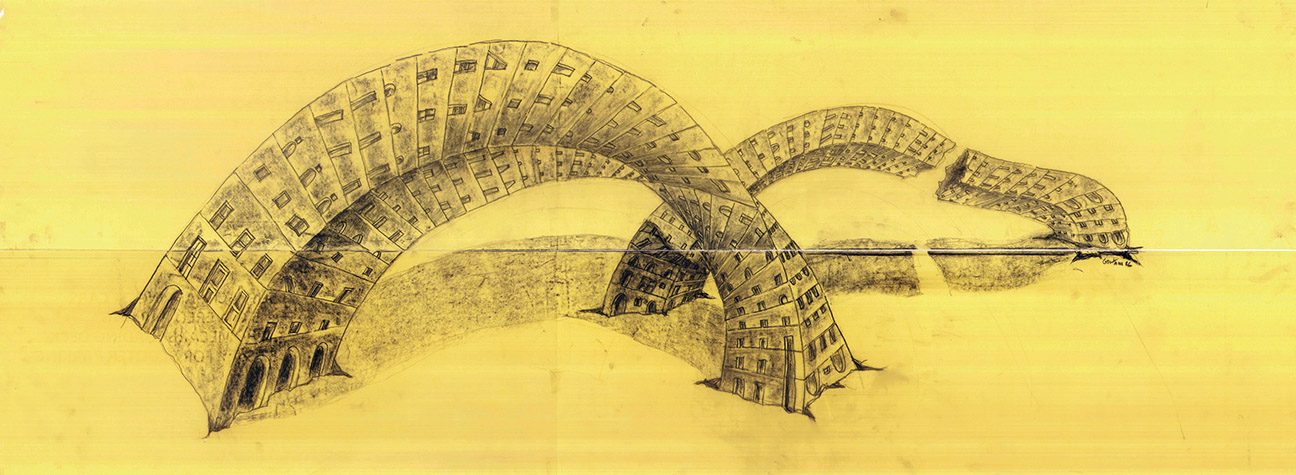
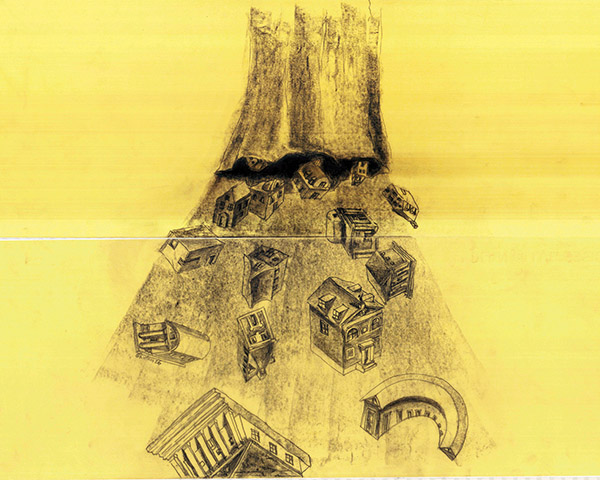
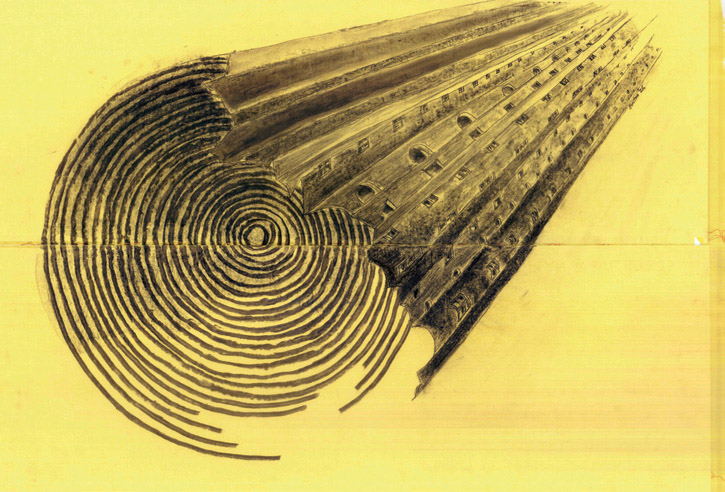
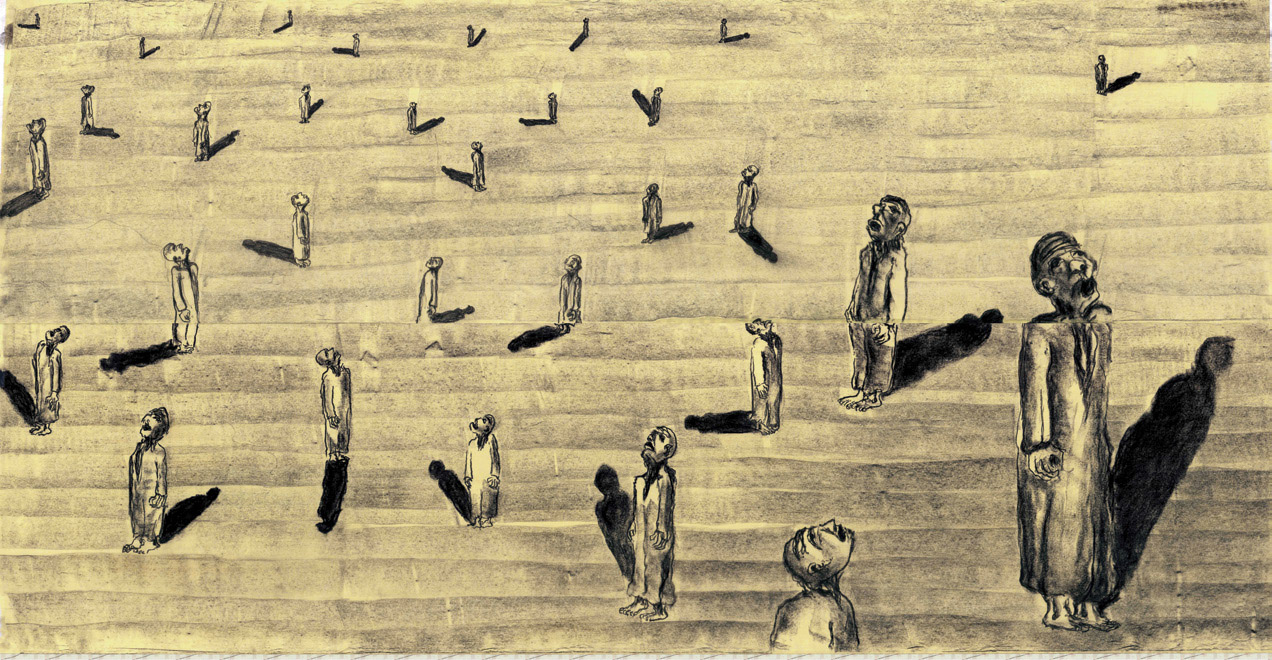
| As architects we live at the edge of paradise, and see in the distance, the potential for perfection - clearly visible, but distant and unreachable. The buildings we build are, by our own admission, derivatives of that state – like a country’s constitution that confesses it is forever trying for that perfect union – never to be achieved. Through erosion and ruin every attempt to build seeks an unmasking of that perfect place that eludes us completely. What appears on paper and remains on ground is just the residue of thoughts and intentions – the remains, so to say, of the many desires and failures of a working life. The paradise that exists, in small measure in home and tenement, palace and slum, in buildings that move skywards or bury below the earth, those that touch the horizon, and those that shrink from it. Monuments uncovered, future ruins and history rescued, landscapes and cityscapes made visible, suburbia defined, neighbourhoods defiled, waste managed, beauty tolerated, magnificence denied and dreams debunked, all around structures rise in glowing self-consciousness, and others sink without sound and trace below the ground. The black-gray dust of charcoal never settles but is held in suspended animation, masking people, smudging past and present, hovering over endless terrain, on undefined but conspicuous landscape. Even when all evidence has disappeared, on paper its shadow is permanent and long lasting. Charcoal Paradise, part architecture, part fantasy is a requiem for places gone, a hope for cities to come. |